


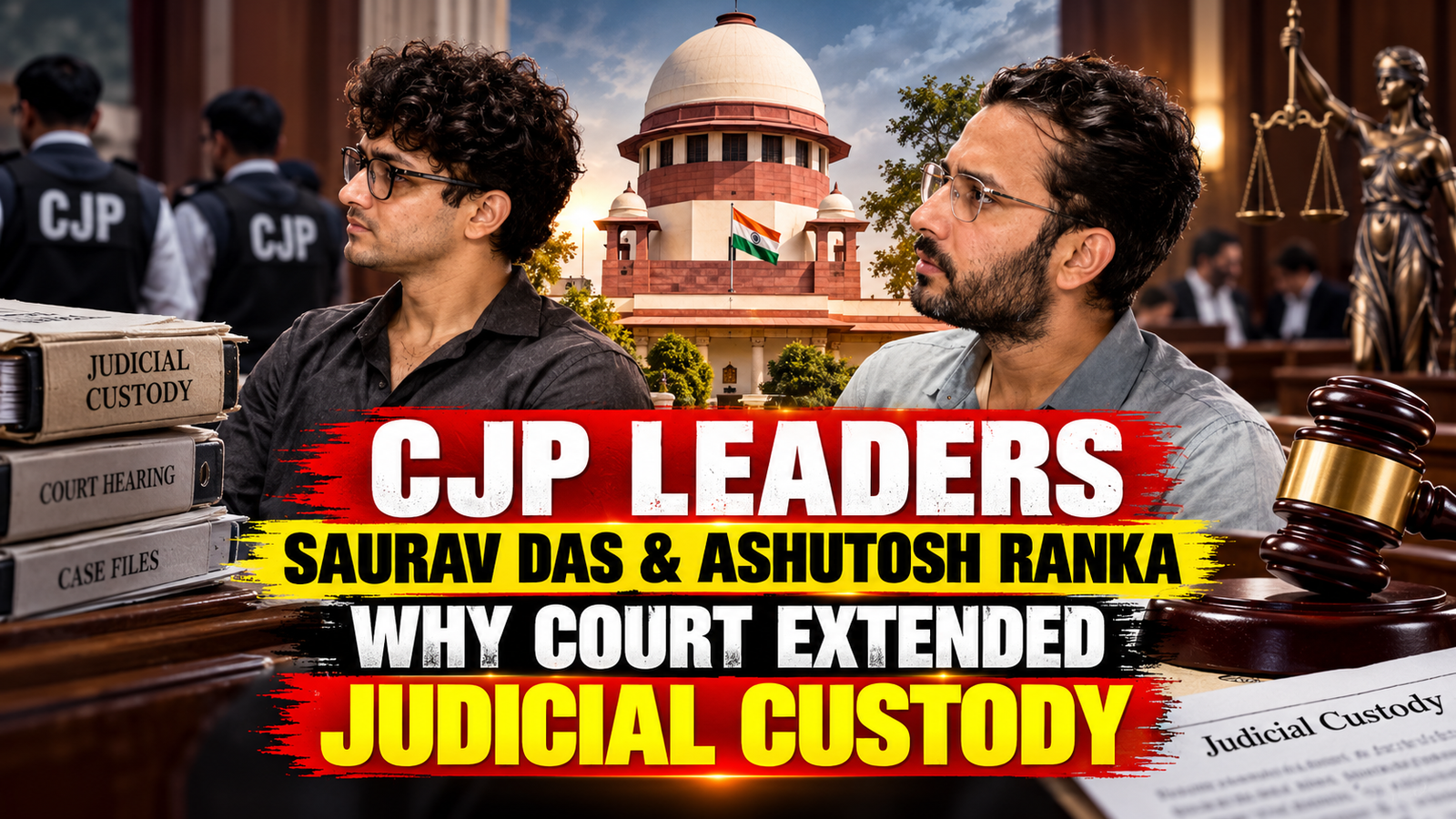
The judicial custody of Cockroach Janata Party (CJP) spokespersons Saurav Das and Ashutosh Ranka has been extended by two days in a case connected to their entry into Delhi’s Jantar Mantar protest area. The development has sparked debate about protest restrictions, public order and the legal process surrounding demonstrations in the national capital.
Das and Ranka were detained on October 13, 2026, after allegedly entering Jantar Mantar by climbing over locked gates. The site had recently been de-notified as a designated protest location. Police argued that their release could create concerns about public peace, while the party’s representatives challenged the grounds for continued detention.
After the hearing, Das said, “There is no justice,” expressing his dissatisfaction with the proceedings. The case raises important questions about how authorities manage protests, why preventive detention may be used, and what legal options remain available to those involved.
What Happened to CJP Leaders Saurav Das and Ashutosh Ranka?
Saurav Das and Ashutosh Ranka are spokespersons for the Cockroach Janata Party. They were detained by Delhi Police on October 13 after allegedly entering Jantar Mantar despite the site’s changed status as a protest location.
Reports said the two leaders and their associate Ajinkya Shinde climbed over locked gates to enter the area. Police intervened and detained them. Shinde was subsequently released on a personal bond and a surety of ₹5,000, while Das and Ranka were sent to judicial custody.
The case was connected to demonstrations against the Special Intensive Revision (SIR) of electoral rolls. The party and other political voices had raised concerns about the voter-list revision process and the Chief Election Commissioner.
The incident has brought attention to the restrictions governing public demonstrations in Delhi. Authorities can regulate where protests take place, but the circumstances and legal basis for any detention remain important matters for the relevant legal process.
Why Did the Court Extend Their Judicial Custody?
On October 19, a Special Executive Magistrate extended the judicial custody of Das and Ranka by another two days. The decision followed submissions from Delhi Police, which argued that releasing the two leaders could affect public peace and tranquility.
According to the reported court order, the authorities raised concerns about repeated calls for protests at locations that were not designated for demonstrations. The order also referred to an alleged breach of undertakings the leaders had signed earlier.
The magistrate said the concerns required further consideration and gave the respondents two days to submit written arguments, with copies provided to the investigating officer.
The CJP legal team disputed the grounds for continued custody. Its representatives argued that authorities had not presented sufficient evidence that the leaders posed a threat to public order.
The extension is a procedural development in the ongoing case. It should not be interpreted as a final finding of guilt over the allegations.
What Did Saurav Das Mean by “There Is No Justice”?
After the hearing, Das criticized the proceedings and questioned why the sureties submitted on behalf of the leaders had not been accepted. He described the situation as an emergency and claimed that justice was not being served.
His comments reflected the party’s dissatisfaction with the handling of the custody and release process. The CJP has also criticized the proceedings and said it would challenge the order before higher courts.
However, these statements represent the position of the detained leaders and their political organization. The court and police have offered a different account, citing concerns about compliance with previous undertakings and the possibility of disturbances.
Understanding both positions is important when following a developing legal story. Allegations, statements from the accused, police submissions and judicial orders carry different legal significance and should not be treated as interchangeable.
What Is Jantar Mantar and Why Is It Important for Protests?
Jantar Mantar in New Delhi has historically been an important location for public demonstrations, political gatherings and campaigns on social issues. Protesters have used the area to draw attention to policy decisions, public grievances and demands for government action.
However, public demonstrations in the capital are subject to rules and permissions intended to balance the right to protest with public order, security and the movement of people.
The designation of a location for protests can change. When an area is no longer authorized for demonstrations, organizers may need to seek permission to gather at an alternative designated site.
In the CJP case, police alleged that Das and Ranka entered Jantar Mantar after it had been de-notified as a protest location. The legal proceedings are examining the alleged conduct and the concerns raised by authorities.
The wider issue is how officials enforce protest restrictions while ensuring that lawful political expression and due process receive appropriate consideration.
How Is the Special Intensive Revision Connected to the Protests?
The demonstrations associated with the CJP have focused on the Special Intensive Revision, or SIR, of electoral rolls. This exercise involves reviewing voter records and updating electoral lists.
Political groups and activists may raise concerns about how such revisions affect eligible voters, including people whose names are missing or whose registration details require verification.
The protests involving the CJP were connected to objections surrounding the electoral-roll revision and criticism of Chief Election Commissioner Gyanesh Kumar.
The custody case, however, concerns allegations relating to entry into a restricted or de-notified protest area and the potential impact on public order. These legal issues are separate from the substantive debate over electoral-roll revision.
Readers should therefore distinguish the political reason for a demonstration from the specific conduct alleged in a custody proceeding.
What Did the Police Say About Public Order?
Delhi Police argued that releasing Das and Ranka could disturb public peace and tranquility. The authorities also referred to alleged calls on social media for protests at locations that were not designated for demonstrations.
The court order reportedly stated that the police had presented material raising concerns about the possibility of a breach of peace. It also referred to the leaders’ alleged failure to comply with earlier undertakings.
The CJP’s legal representatives challenged this position. They argued that the authorities had not established a sufficient factual basis for continuing the detention and questioned the rejection of the sureties.
These competing arguments form part of the ongoing proceedings. The legal process must determine whether the grounds relied upon by authorities meet the applicable requirements.
Until the relevant issues are resolved, it is important to describe the alleged conduct as allegations rather than established criminal findings.
What Happened to Other CJP Members?
The case has involved other members of the party as well. Ajinkya Shinde, who was detained alongside Das and Ranka, was released on a personal bond and surety, according to media reports.
CJP founder Abhijeet Dipke was also briefly detained on October 16 while reportedly travelling toward Connaught Place for a planned march. He was released the following day on a conditional bond requiring him to maintain peace for one year.
These developments occurred amid political demonstrations and disagreements over the custody of Das and Ranka. The party’s representatives criticized the handling of the case, while authorities cited public-order concerns.
The different outcomes show that the legal position of each individual may depend on the circumstances, conditions imposed and decisions made during the relevant proceedings.
What Legal Options Are Available to the CJP Leaders?
People facing detention or custody proceedings may challenge decisions through the legal remedies available under the applicable law. The precise options depend on the legal provision invoked, the nature of the order and the procedural stage of the case.
In this matter, the CJP has said it intends to challenge the custody-related order before higher courts. Its legal team has also disputed the reasons given for rejecting sureties and extending custody.
A challenge may allow a higher judicial authority to examine whether the relevant legal requirements were met and whether the order should be modified or set aside.
However, the outcome cannot be predicted from the reported statements alone. It depends on the records, submissions and applicable legal principles considered by the relevant authority.
For readers following the case, official court records and reliable news updates are the best ways to understand subsequent developments.
Conclusion
The extension of judicial custody for CJP spokespersons Saurav Das and Ashutosh Ranka has brought renewed attention to protest restrictions, public-order concerns and the handling of detention proceedings in Delhi.
Police have argued that the leaders’ alleged entry into Jantar Mantar and their reported calls for demonstrations raised concerns about public peace. The CJP has challenged those grounds and criticized the rejection of sureties.
The legal proceedings remain important for determining whether the actions taken by authorities were justified under the applicable law. Until the matter is resolved, reports should distinguish between allegations, statements from the party and findings contained in court orders.
The case also highlights the wider challenge of balancing public safety, protest regulation and the legal rights of people involved in political demonstrations.
Frequently Asked Questions (FAQs)
1. Who are Saurav Das and Ashutosh Ranka?
Saurav Das and Ashutosh Ranka are spokespersons for the Cockroach Janata Party (CJP). They were detained in connection with allegations that they entered Jantar Mantar after it had been de-notified as a protest site.
2. Why was the judicial custody of CJP leaders extended?
A Special Executive Magistrate extended their custody by two days after Delhi Police raised concerns about public peace and alleged breaches of earlier undertakings. The CJP’s legal team disputed the grounds for continued detention.
3. What did Saurav Das say after the hearing?
Das criticized the proceedings and said, “There is no justice.” He also questioned why the submitted sureties had been rejected.
4. What is Jantar Mantar known for?
Jantar Mantar in New Delhi has historically been used for political demonstrations, public campaigns and protests. Demonstrations there and at other public locations are subject to applicable permissions and restrictions.
5. Can the CJP leaders challenge the custody order?
The CJP has said it intends to challenge the order before higher courts. The outcome will depend on the relevant legal record, submissions and applicable law.
